
7-hydroxymitragynine, often called 7-OH, has emerged in recent years as a powerful and controversial compound related to kratom. Proponents sometimes market it as a “natural pain reliever” or alternative to prescription opioids. But the reality is far more complex and potentially dangerous.
This article explains what 7-hydroxymitragynine is, how it works, how it compares to kratom, what the risks are, and why people have ended up seeking treatment after using it.
What Is 7-Hydroxymitragynine (7-OH)?
7-hydroxymitragynine is an alkaloid compound closely associated with kratom (Mitragyna speciosa), a plant native to Southeast Asia that has traditionally been used for its stimulant and pain-relieving effects. In the natural kratom leaf, 7-hydroxymitragynine (often called 7-OH) occurs only in very small amounts. Most 7-OH present in the body comes from metabolism of mitragynine, kratom’s primary alkaloid.
Unlike traditional kratom leaf products sold as powders or capsules, products marketed specifically as 7-OH can contain much higher concentrations of 7-hydroxymitragynine—sometimes reported to be 90% or more. These formulations do not reflect the plant’s natural composition and behave very differently in the body.
The Rise of High-Potency 7-OH Products
In recent years, 7-hydroxymitragynine products have rapidly proliferated in gas stations, smoke shops, and online marketplaces. They are now sold in a wide range of forms, including tablets, liquid shots, vape products, and pressed pills.
As these products have become stronger and more widely available, the number of people experiencing 7-hydroxymitragynine dependence and withdrawal has increased dramatically.
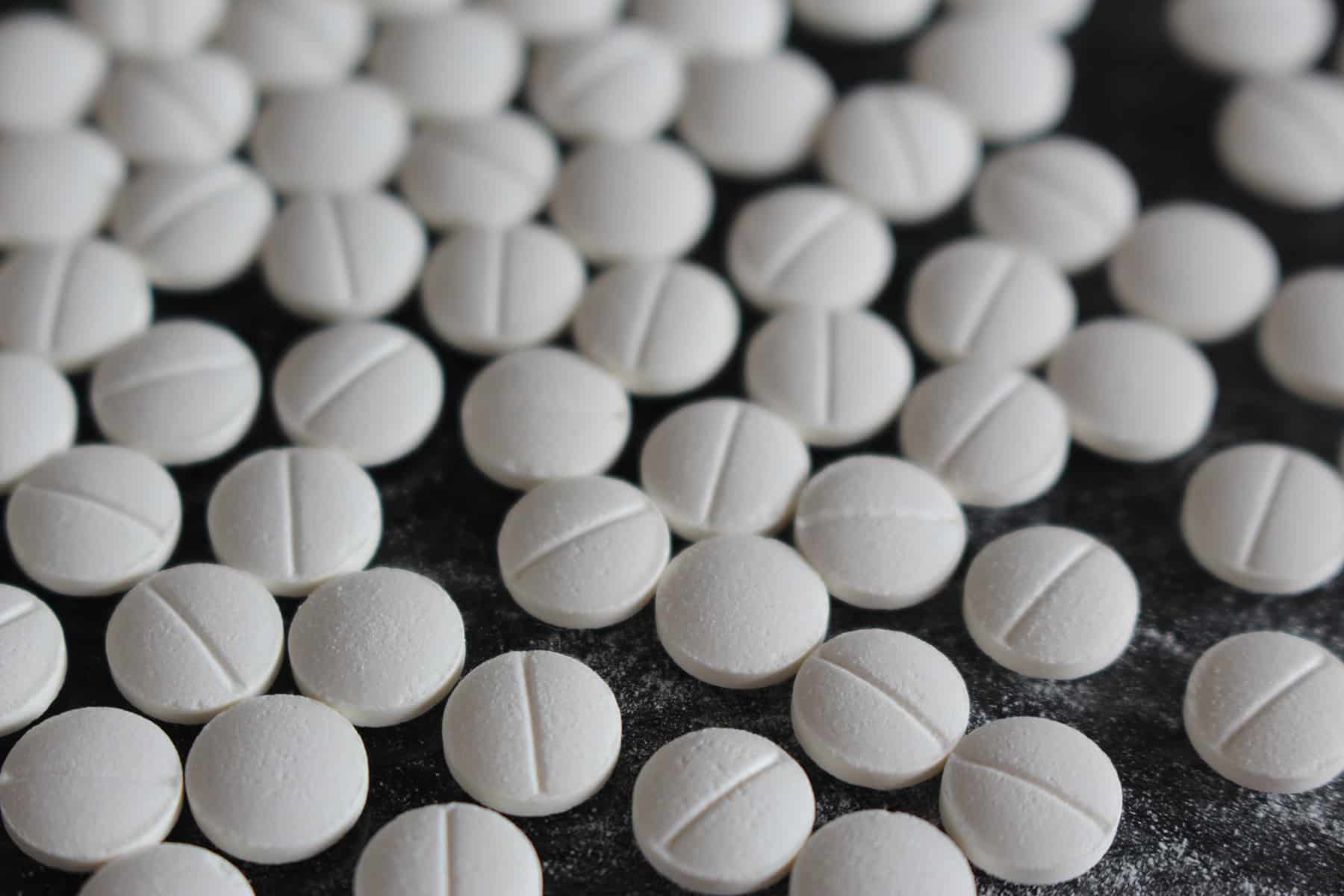
Some of these products are intentionally designed to resemble prescription medications, including pills pressed to look like Xanax® bars, and are marketed with claims that they relieve anxiety, improve mood, or provide opioid-like effects without the risks associated with prescription drugs.
These claims are misleading. High-potency 7-OH products are unregulated, inconsistently dosed, and poorly studied, and their strong opioid-receptor activity makes them fundamentally different from traditional kratom leaf. As availability and marketing have expanded, so have reports of dependence, withdrawal symptoms, and adverse effects linked specifically to these concentrated forms.
Why People Use 7-OH (Pain Relief, Anxiety, & Opioid Withdrawal)
Some people seek out 7-hydroxymitragynine because it:
- Is more potent than mitragynine and kratom leaf alone
- May produce stronger pain relief or euphoria
- Is sold as a “legal high” or convenient supplement
In lab studies, 7-OH has shown much stronger activity at opioid receptors than mitragynine, stimulating the same brain pathways engaged by traditional opioids.
This receptor activity is why some people assume it can help with pain, anxiety, or even opioid withdrawal. But stronger receptor activation also means stronger risk.
How 7-OH Acts on the Brain & Opioid Receptors
7-hydroxymitragynine binds to mu-opioid receptors, which are the same targets affected by prescription painkillers and illicit opioids. Its affinity for these receptors appears to be higher than mitragynine.
That means 7-OH can produce:
- Pain relief
- Euphoria
- Sedation
Unfortunately, those same pathways also underlie tolerance, dependence, and withdrawal when used repeatedly or in high doses.
Why 7-OH Feels So Strong
7-hydroxymitragynine activates mu-opioid receptors in the brain—the same system involved in prescription painkillers and heroin. Compared to even high-potency kratom products:
- It binds more aggressively to opioid receptors
- Effects hit faster and harder
- Relief doesn’t last as long, pushing repeated dosing
That cycle—short relief followed by a crash—is how people end up taking it multiple times a day, often without meaning to.
Risks of 7-Hydroxymitragynine: Addiction, Overdose, & Withdrawal
Dependence & Addiction
Because 7-OH stimulates opioid receptors strongly, it carries a high potential for physical dependence and addiction. Regular use can lead to tolerance, where larger amounts are needed to achieve the same effect—and withdrawal symptoms emerge if use stops.
Overdose and Respiratory Depression
Unlike typical kratom leaf, high-strength 7-OH products have been linked to respiratory depression, overdose, and severe toxicity. The FDA and public health agencies have raised alarms about these concentrated forms due to their ability to mimic the dangerous effects of traditional opioids.
Side Effects
Reported adverse effects include:
- Nausea and dizziness
- Insomnia and anxiety
- Gastrointestinal distress
- Seizures
- Severe withdrawal symptoms
- Depression and mood swings
These problems are more common with concentrated products than with raw kratom leaf, though kratom itself is not risk-free.
Regulatory & Safety Concerns
7-hydroxymitragynine is not FDA-approved for medical use, and the FDA has issued warnings about its dangers, particularly in high-potency products sold in smoke shops, gas stations, and online.
Several states have moved to ban or tightly regulate 7-OH products because of rising reports of harms and hospitalizations.
Natural kratom leaf, by contrast, still occupies a regulatory gray zone. Even so, public health agencies warn that its unregulated status means potency, purity, and effects are unpredictable.
What This Means for Recovery
Some people turn to substances like 7-OH to self-treat pain, anxiety, or withdrawal from other drugs. But because 7-OH activates the same opioid pathways as stronger prescription medicines, replacing one dependency with another is a real risk.
If use has become habitual—or if negative health or social consequences are mounting—professional evaluation and treatment can help break the cycle safely.
Safer, Evidence-Based Options
For those seeking relief from chronic pain or opioid withdrawal, clinically proven treatments exist:
- Medically supervised detox
- Medication-assisted therapy using FDA-approved drugs such as buprenorphine (Suboxone, Sublocade)
- Behavioral therapies for long-term recovery
- Multidisciplinary pain management
These options are standardized, monitored, and supported by clinical research—unlike 7-OH products.
Final Thoughts
7-hydroxymitragynine is a potent compound with real pharmacologic effects. But potency comes with risk: dependence, overdose, and unpredictable side effects are documented concerns. Unlike regulated medical treatments, 7-OH products are unstandardized, unapproved, and often misleadingly marketed.
If you or someone you care about is using 7-OH or kratom products in ways that feel hard to control, help is available. Effective, evidence-based treatment can address both physical dependence and the underlying challenges driving use.
If quitting feels harder than it should, that’s a sign to get help.
Need support? Call us at 1.800.388.4601 or explore our treatment services online.
TL;DR – Frequently Asked Questions About 7-Hydroxymitragynine (7-OH)
What is 7-hydroxymitragynine?
7-hydroxymitragynine (often called 7-OH) is a potent alkaloid associated with kratom. It occurs naturally in very small amounts in the kratom leaf but is often concentrated or isolated in commercial products. Compared to standard kratom, 7-OH has much stronger opioid-like effects.
Is 7-hydroxymitragynine addictive?
Yes. 7-hydroxymitragynine activates opioid receptors in the brain and can lead to tolerance, dependence, and 7-hydroxymitragynine addiction, especially when used regularly or in high-potency forms. Many people who use 7-OH products report withdrawal symptoms when they try to stop.
Is 7-OH stronger than kratom?
Yes. 7-hydroxymitragynine is significantly more potent than mitragynine, kratom’s primary alkaloid. Products marketed as “7-OH,” “enhanced kratom,” or “extracts” often feel much stronger and wear off faster, increasing the risk of repeated dosing.
Can you taper off 7-hydroxymitragynine?
Some people attempt to taper off 7-OH on their own, but it can be difficult. Because most 7-OH products are unregulated and inconsistently dosed, tapering often leads to withdrawal symptoms or relapse. Medical supervision can make the process safer and more manageable.
What does 7-hydroxymitragynine withdrawal feel like?
7-OH withdrawal symptoms vary, but commonly include:
- Anxiety and restlessness
- Insomnia
- Muscle aches
- Nausea or diarrhea
- Depression or mood swings
- Strong cravings
Many people describe 7-OH withdrawal as similar to opioid withdrawal, particularly after long-term or high-dose use.
Is 7-hydroxymitragynine legal?
The legal status of 7-hydroxymitragynine varies by state and is evolving. While some products are still sold in gas stations and smoke shops, regulatory agencies have issued warnings due to safety concerns. Legal availability does not mean a product is safe.
Is 7-OH safer than opioids?
No. While it is sometimes marketed as a “safer” or “natural” alternative, 7-hydroxymitragynine affects the same brain pathways as opioids and carries many of the same risks, including dependence and withdrawal.
When should someone seek treatment for 7-OH use?
If stopping feels difficult, withdrawal symptoms are severe, or use has started to interfere with daily life, professional treatment can help. Early intervention often prevents the cycle from becoming more entrenched.